Reliable health information for every Pakistani.
Explaining medically important, trending and often misunderstood health issues in simple language. Recognize symptoms, prevent disease, and make informed choices — backed by medical experts and global standards.
Verified Medical Content
Reviewed by Registered Clinicians

Seasonal Health Alerts & Outbreaks
Real-time guidance responding to current weather conditions, seasonal disease surges, and local surveillance data across Pakistan.
Dengue & Malaria Prevention
Recognize warning signs of fever, monitor platelet counts, and eliminate stagnant water breeding sites around homes.
Smog & Respiratory Protection
Protect children, older adults, and asthma patients with proper N95/KN95 masks and indoor air filtration habits.
Heatstroke Prevention
Hydration strategies, recognizing early signs of heat exhaustion, and emergency cooling steps during extreme weather.
Seasonal Influenza & Colds
Distinguishing viral flu from bacterial infections, managing fever safely, and avoiding unnecessary antibiotic use.
12 Priority Health Topics for Pakistan
Designed for website articles, discussion forums, social media infographics, and short educational videos aligned with WHO and Ministry of Health guidelines.
1. Dengue, Malaria & Infections
Prevention, symptom recognition, and community awareness for dengue, typhoid, and waterborne outbreaks.
- Dengue warning signs & fever care
- Dengue vs. malaria vs. typhoid
- Safe mosquito control at home
2. Diabetes & Heart Health
Screening and long-term management for Pakistan's silent epidemic of diabetes and hypertension.
- High blood pressure & silent symptoms
- Heart attack & stroke emergency signs
- HbA1c & lipid profile explained
3. Antibiotic Resistance & Safety
A major public health priority: why unnecessary antibiotics and self-medication are dangerous.
- Why antibiotics don't treat viral colds
- Antimicrobial resistance risks
- Steroids & painkillers safety
4. Mental Health & Wellbeing
Awareness, stigma reduction, and support for anxiety, depression, and digital fatigue.
- Anxiety vs everyday stress
- Burnout & student exam pressure
- Social media addiction & fatigue
5. Women's & Child Health
Maternal care, antenatal nutrition, newborn danger signs, and routine vaccination.
- Pregnancy danger signs
- Menstrual health, PCOS & breast care
- Newborn nutrition & vaccines
6. Smog & Respiratory Health
Particularly relevant to urban Pakistan: air quality protection and asthma management.
- How smog affects children & elders
- Proper use of masks in pollution
- Asthma inhaler correct technique
7. Digital Health & AI Literacy
Modern digital literacy: identifying fake health news, miracle cures, and online scams.
- Can AI diagnose diseases?
- Verifying WhatsApp & TikTok claims
- Risks of unverified online meds
8. Cancer Awareness & Screening
Risk reduction, early screening guidelines, and separating evidence from unproven cures.
- Breast & cervical cancer awareness
- Tobacco & oral cancer risks
- HPV vaccination & prevention
9. TB, Hepatitis & Infectious Diseases
High-priority public health education on persistent cough, hepatitis B & C, and HIV.
- Persistent cough & TB testing
- Hepatitis B and C care pathways
- Polio & routine immunization
10. Nutrition & Healthy Lifestyle
Practical prevention for everyday life: healthy Pakistani meals on a budget and vitamin D.
- Healthy meals on a budget
- Vitamin D & iron deficiency risks
- Crash diets & weight-loss injections
11. First Aid & Medical Emergencies
Life-saving skills for heart attacks, strokes, choking, burns, and severe allergic reactions.
- Basic CPR & emergency access
- Choking first aid for all ages
- Seizures: what to do & avoid
12. Healthy Ageing & Older Adults
A growing family need: dementia vs normal forgetfulness, fall prevention, and polypharmacy.
- Dementia vs normal forgetfulness
- Fall prevention & bone health
- Medication interactions in elders
Myth vs. Medical Evidence
We separate dangerous online misconceptions from scientifically verified medical facts to keep you and your family safe.
“Antibiotics cure every infection and fever.”
Many patients demand or take antibiotics immediately when experiencing colds, flu, or viral sore throats.
Fact: Antibiotics only treat bacterial infections, never viral colds or flu. Taking them unnecessarily destroys gut flora and causes dangerous antimicrobial resistance.
→ Practical Action: Always consult a doctor before taking antibiotics and never use leftover prescription pills.
“Natural herbal products are always 100% safe.”
The belief that because a remedy is herbal or organic, it carries zero side effects or toxicity risks.
Fact: Natural compounds are chemically active and can interact severely with prescription heart or diabetes medicines, or strain kidney and liver function.
→ Practical Action: Inform your physician about any herbal supplements or traditional tonics you consume regularly.
“Diabetes medicines can be stopped once sugar normalizes.”
Patients often stop taking metformin or insulin once glucometer readings return to normal ranges.
Fact: Normal readings are usually a result of the medication working effectively. Stopping treatment causes blood glucose to spike again, damaging organs over time.
→ Practical Action: Never modify or stop chronic disease medications without direct medical supervision.
Understand Your Medical Tests
Lab reports can be confusing. We break down common diagnostic tests, normal reference ranges, and why a clinician must interpret them in context.
HbA1c & Blood Glucose
Measures your average blood sugar levels over the past 3 months. Essential for diagnosing and monitoring diabetes control.
Complete Blood Count (CBC)
Evaluates red blood cells, white blood cells, and platelets. Crucial for detecting anemia, infections, and dengue fever severity.
Lipid Profile (Cholesterol)
Measures total cholesterol, LDL (bad), HDL (good), and triglycerides to assess heart attack and stroke risk.
Moderated Public Health Forum
Have questions about symptoms, medicines, or disease prevention? Browse anonymous public health questions answered by registered clinicians. Discussions are strictly moderated to prevent medical misinformation and protect patient privacy.
“When is a platelet drop during dengue fever considered a medical emergency?”
Asked by Anonymous (Lahore) — My brother has dengue and his platelet count dropped to 65,000 today. Should we hospitalize immediately?
While 65,000 requires careful monitoring, hospitalization decisions depend heavily on warning signs like severe abdominal pain, persistent vomiting, bleeding gums, or lethargy rather than numbers alone... Read full answer →
“Can intermittent fasting safely reverse Type 2 diabetes?”
Asked by Anonymous (Karachi) — I keep reading online that skipping meals helps reset insulin resistance. Is this safe for people on medication?
Intermittent fasting can improve insulin sensitivity for some, but if you take sulfonylureas or insulin, fasting without dose adjustment risks dangerous hypoglycemia (low blood sugar)... Read full answer →
Top 10 Launch Articles for eHealth.pk
Our foundational library addressing the most critical health questions asked by Pakistanis every single day.
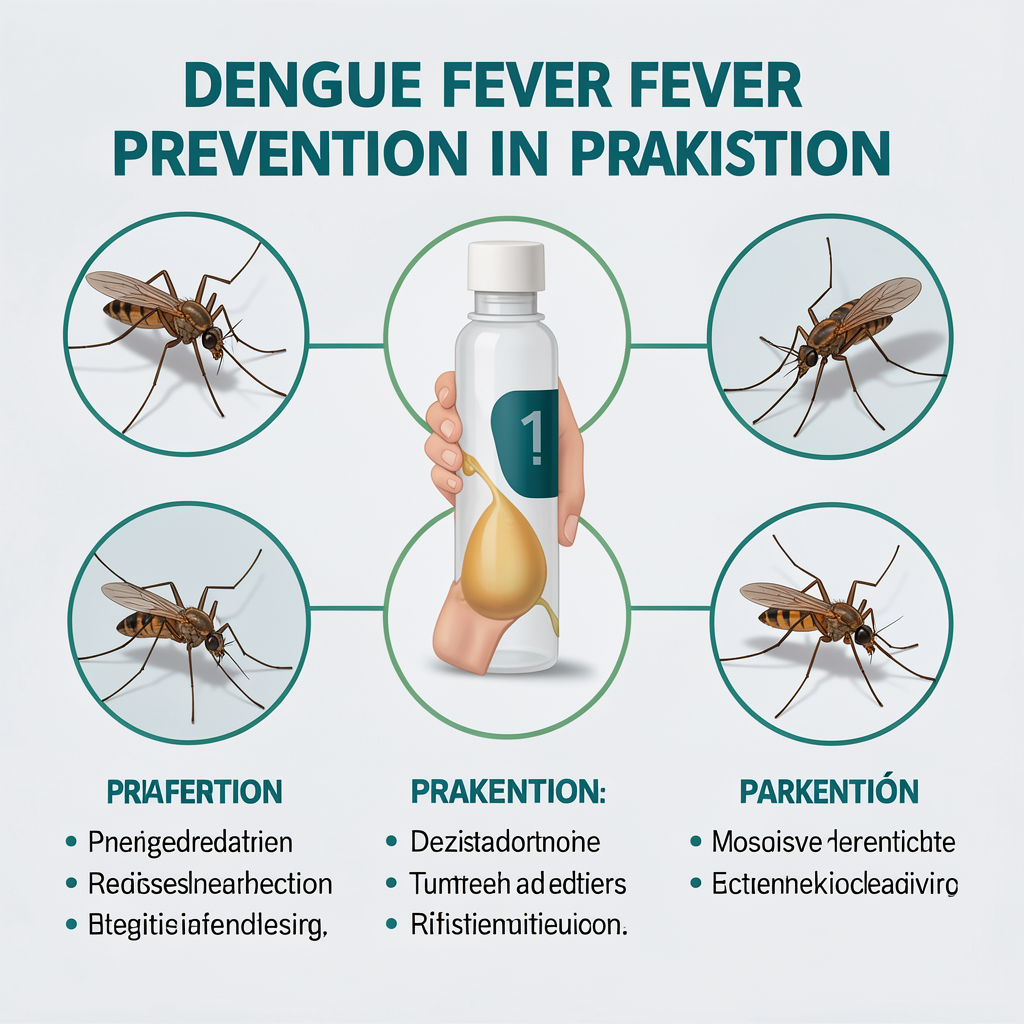
1. Dengue Fever: Early Symptoms, Warning Signs and Prevention
How to recognize high fever patterns, warning signs that require emergency care, and safe mosquito control at home.
2. Antibiotics: When They Work, When They Do Not and Why Resistance Matters
Why viral colds do not need antibacterial drugs and how misuse makes superbugs resistant to treatment.
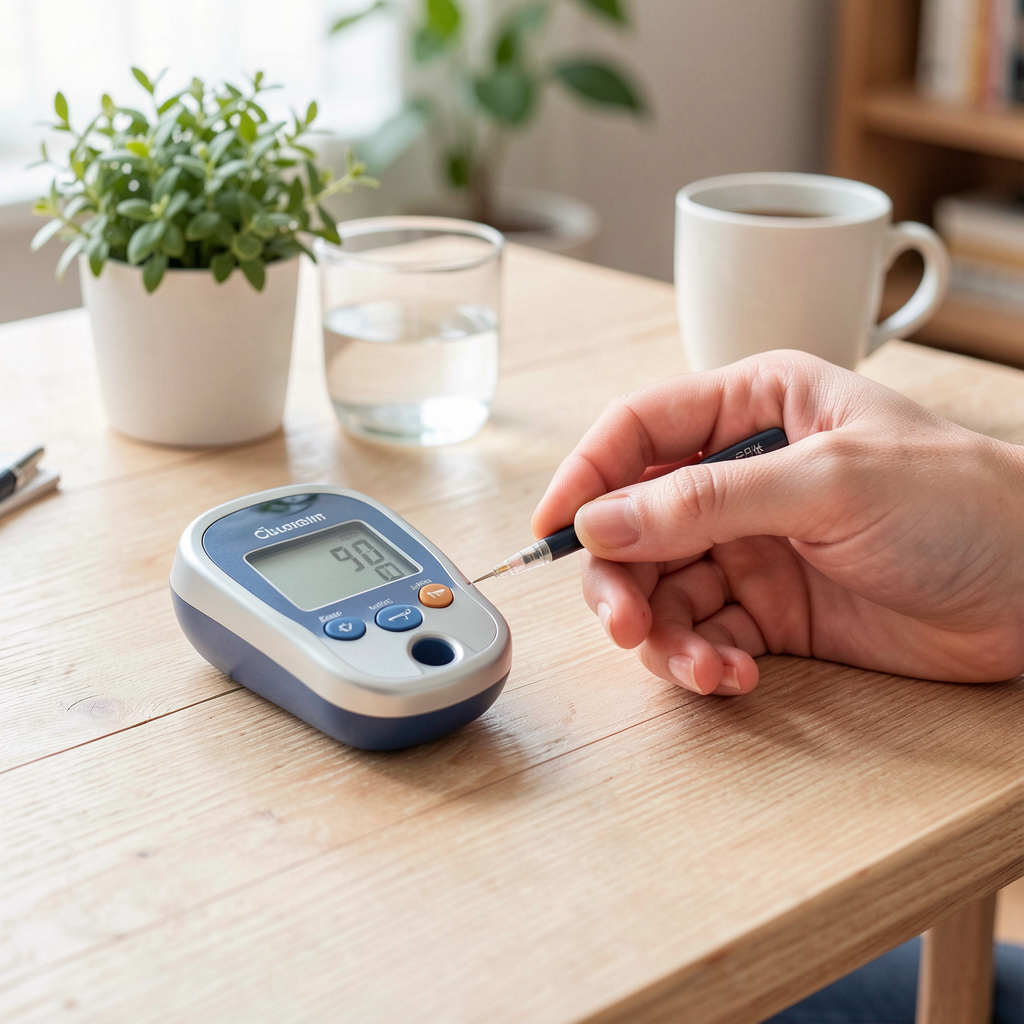
3. Diabetes in Pakistan: Early Symptoms, Screening and Prevention
Recognizing subtle symptoms of elevated blood sugar, who needs HbA1c testing, and dietary lifestyle adjustments.

4. High Blood Pressure: Why You May Have No Symptoms
Known as the silent killer, hypertension requires regular screening. Learn how to measure correctly at home.

5. Heart Attack and Stroke: Warning Signs You Must Never Ignore
Recognizing crushing chest pain, arm numbness, face drooping, and knowing when to call emergency ambulance services.
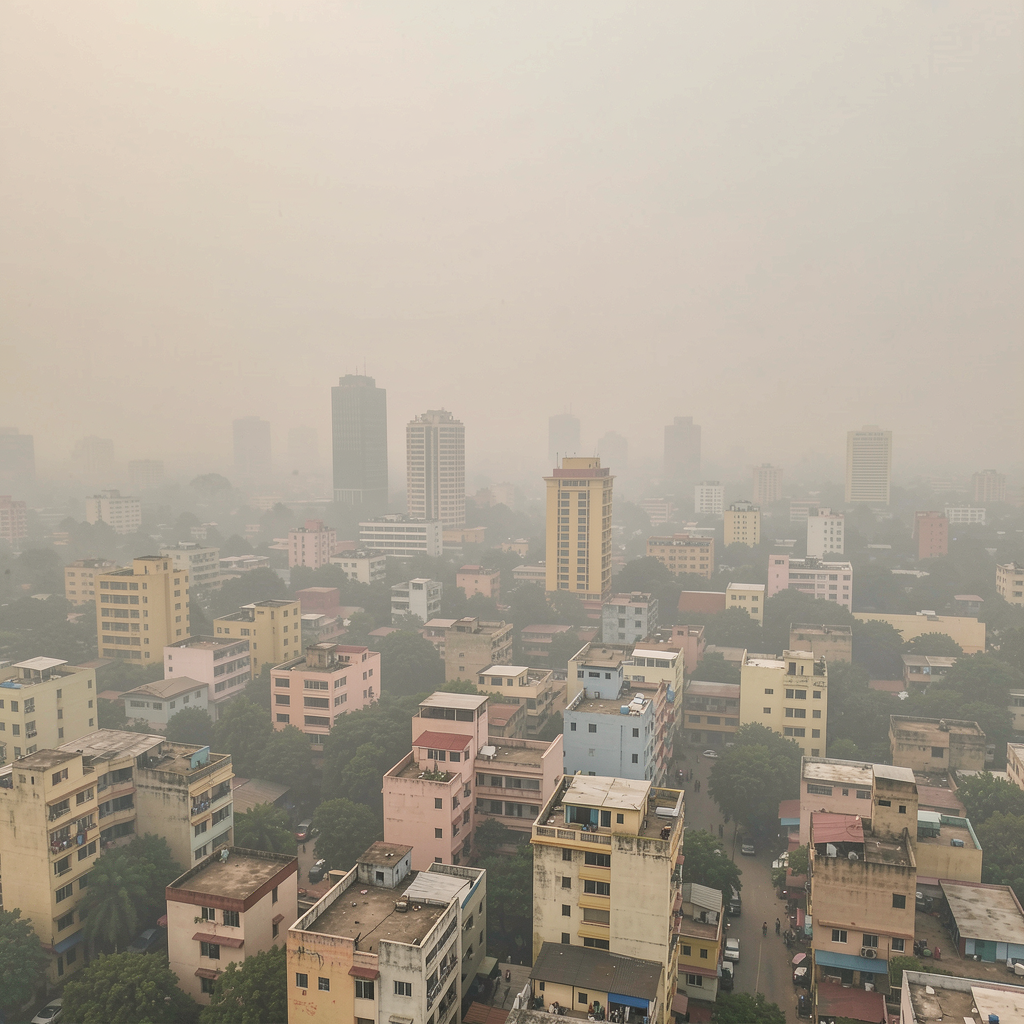
6. Smog and Air Pollution: Protecting Children, Older Adults and Asthma Patients
Practical guidance on mask selection, indoor air purification, and avoiding outdoor exercise during hazardous days.